
Investment Outlook: Second Quarter 2021 What’s Going on With Commodities and Does it Matter?
The term commodity covers a wide range of basic goods and raw materials that are components of other finished goods. As the cost of input materials increases, so too does the finished good. For example, the price of a loaf of bread may increase because the price of wheat has increased. The price of the same loaf of bread might also increase because oil prices have gone up and in turn, the cost of transporting the bread to the grocery store is now higher.
In general, commodity prices are more volatile than other assets. This can be attributed to a few different factors, including but not limited to, geopolitics, mother nature, and, more recently, the movement of the commodity to where it is needed. As our country and our world have pushed toward reopening, the supply chain has been stressed, and in some cases not handling demand growth as well as it was believed it would.
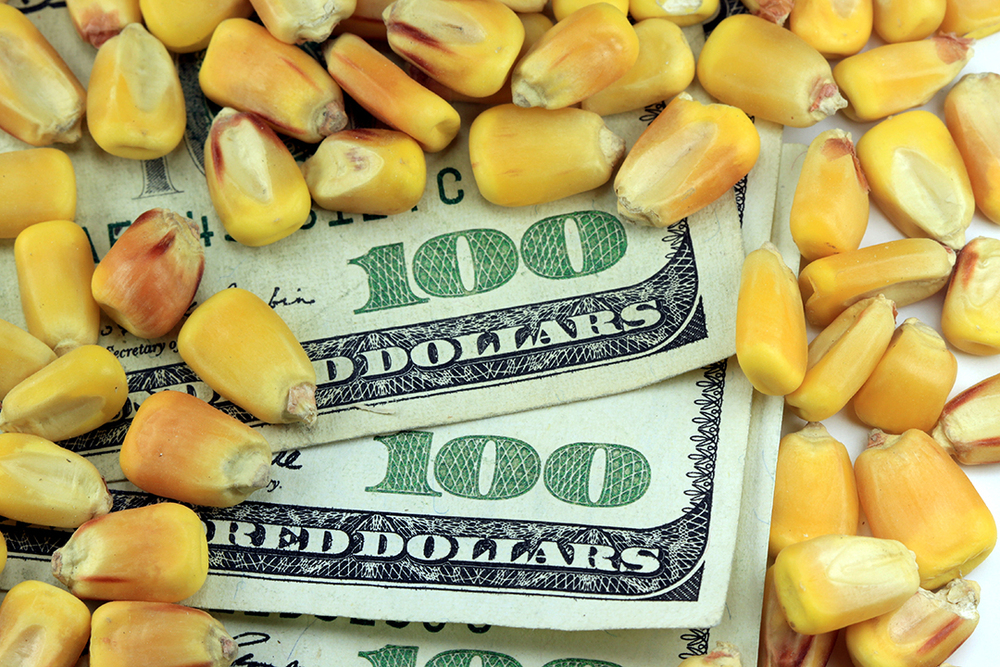
An increase in demand for a broad range of commodities is, at first glance, a good thing. More demand means a strengthening economy. Unfortunately, demand can ebb and flow very quickly while changes in supply take far longer to realize. Increasing the supply of wheat or corn can take a season or two because it needs time to be planted and grow. Increasing the supply of industrial metal can take years and cost billions of dollars. Finding a new deposit, building out the mine and surrounding infrastructure, and then finally extracting the metal is a daunting, time-consuming process. By the time the new mine comes online, the demand for the metal may have already cooled, leaving the company that invested in a bad, money-losing situation.
Commodities are also used as a tool in geopolitical negotiations. Not every country has access to all the needed commodities within its borders. Eastern Europe relies on Russian natural gas, but when Russians need negotiating leverage with Eastern Europe or its allies, they may threaten to withhold the commodity as a bargaining tool. According to the Wall Street Journal, China makes up half of the global demand for industrial metals. The country has been known to amass large reserves of these metals and in doing so, push the cost of the metals up dramatically. At other times, China will begin to release the reserves and the prices of the metals will fall quickly. These moves have been known to scare the global economy.
This has been a unique, but not unprecedented, year in commodities. Until a few weeks ago, it seems like commodity prices would never start to abate, and then, all of a sudden, metal and lumber prices fell by a significant margin. Most food prices have held and remain quite high. As the supply chain for different goods steadies, it should help stem the rise of price—but what happens next is hard to say. We watch what is going on in commodities as a potential indicator of what’s next for inflation, but it is not the only ingredient in the inflation recipe.
Past performance is not indicative of future results. The material above has been provided for informational purposes only and is not intended as legal or investment advice or a recommendation of any particular security or strategy. The investment strategy and themes discussed herein may be unsuitable for investors depending on their specific investment objectives and financial situation. Information obtained from third-party sources is believed to be reliable though its accuracy is not guaranteed, Beese Fulmer Private Wealth Management ("Beese Fulmer") makes no representation or warranty as to the accuracy or completeness of the information, which should not be used as the basis of any investment decision. Information contained on third-party websites that Beese Fulmer may link to is not reviewed in their entirety for accuracy and Beese Fulmer assumes no liability for the information contained on these websites. Opinions expressed in this commentary reflect subjective judgments of the author based on conditions at the time of writing and are subject to change without notice. No part of this material may be reproduced in any form, or referred to in any other publication, without express written permission from Beese Fulmer. For more information about Beese Fulmer, including our Form ADV brochures, please visit https://adviserinfo.sec.gov and search for our firm name.